
Northern Virginia
Jason Burrus, Sunset Hills Vineyard
Following two years of moderate to severe drought, Northern Virginia continued to experience very dry conditions into 2025. Vines were already stressed when a cold spell at the end of February made the situation worse for winter injury. Albariño vines planted in 2024 without herbicide application in Middleburg suffered an 80% loss. However, Pinot Noir vines planted in 2023 at the Purcellville vineyard, also without herbicide, suffered only minor losses. Some mature vines showed loss too, though this may just reflect their advanced age. Fortunately, May brought 5.0-7.0 inches of rain to Loudoun County, about twice the average amount for the month. However the region is still experiencing drought despite the rainfall.
Due to the age of our vineyards (20+ years), soil maintenance has become a priority. For the second year in a row, I’ve applied compost underneath the vine row before bud break to address low organic matter content and low nitrogen in the vines.
There was no frost damage in the Purcellville or Middleburg sites. Dean Triplett of Greenstone Vineyard in Leesburg also reports no frost damage. Since frost events are dependent on site, their occurrence can be sporadic, and there are other reports of minor to moderate damage throughout Northern Virginia into western Maryland. The May rains saw one hail event in Purcellville that did minor damage to the Chardonnay vines.
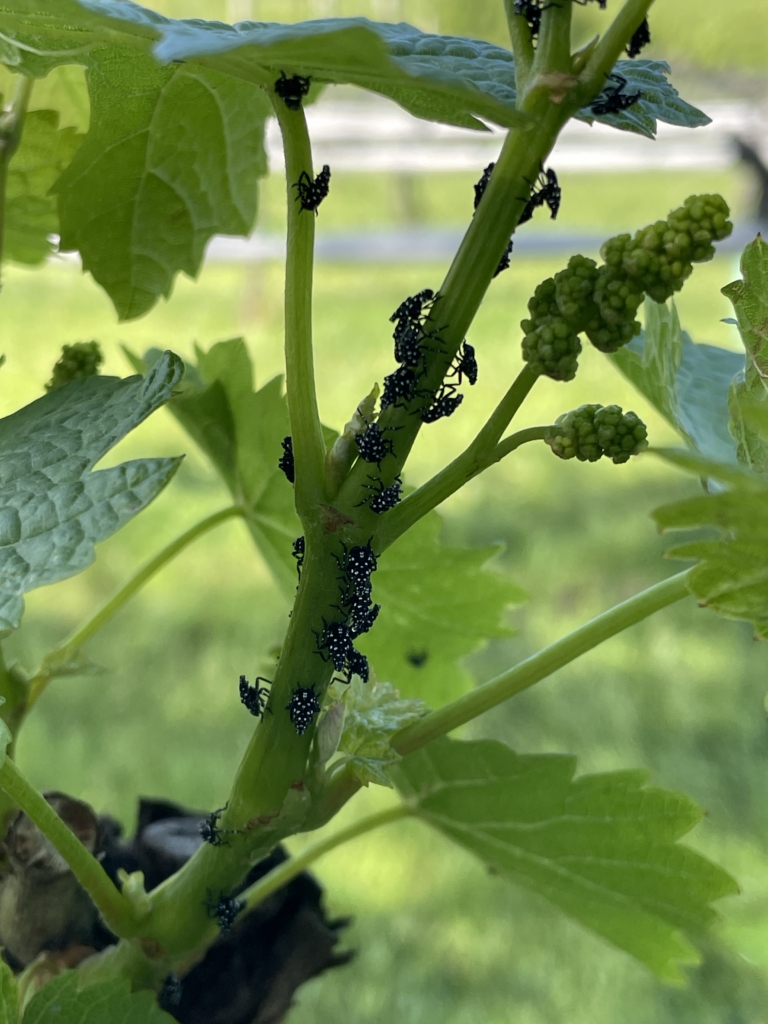
Early May also saw the emergence of Spotted Lanternfly nymphs at the Purcellville and Middleburg vineyards as well as Greenstone Vineyard in Leesburg. Sunset Hills Vineyard also has two estate vineyards in the northern Shenandoah Valley that also saw an outbreak of SLF at the same time. I sprayed insecticide for the nymphs on May 7 which knocked out about 95% of them. But as of May 30, I am seeing small populations of them again. Both Dean and I are investigating whether it’s better to spray for them as nymphs or as adults. Regardless, we can only spray the vineyard so we will see SLF migrate from the forest into vineyard areas throughout the growing season. Climbing cutworms haven’t shown to be a problem this year. We remove these by hand at night for several days in April.
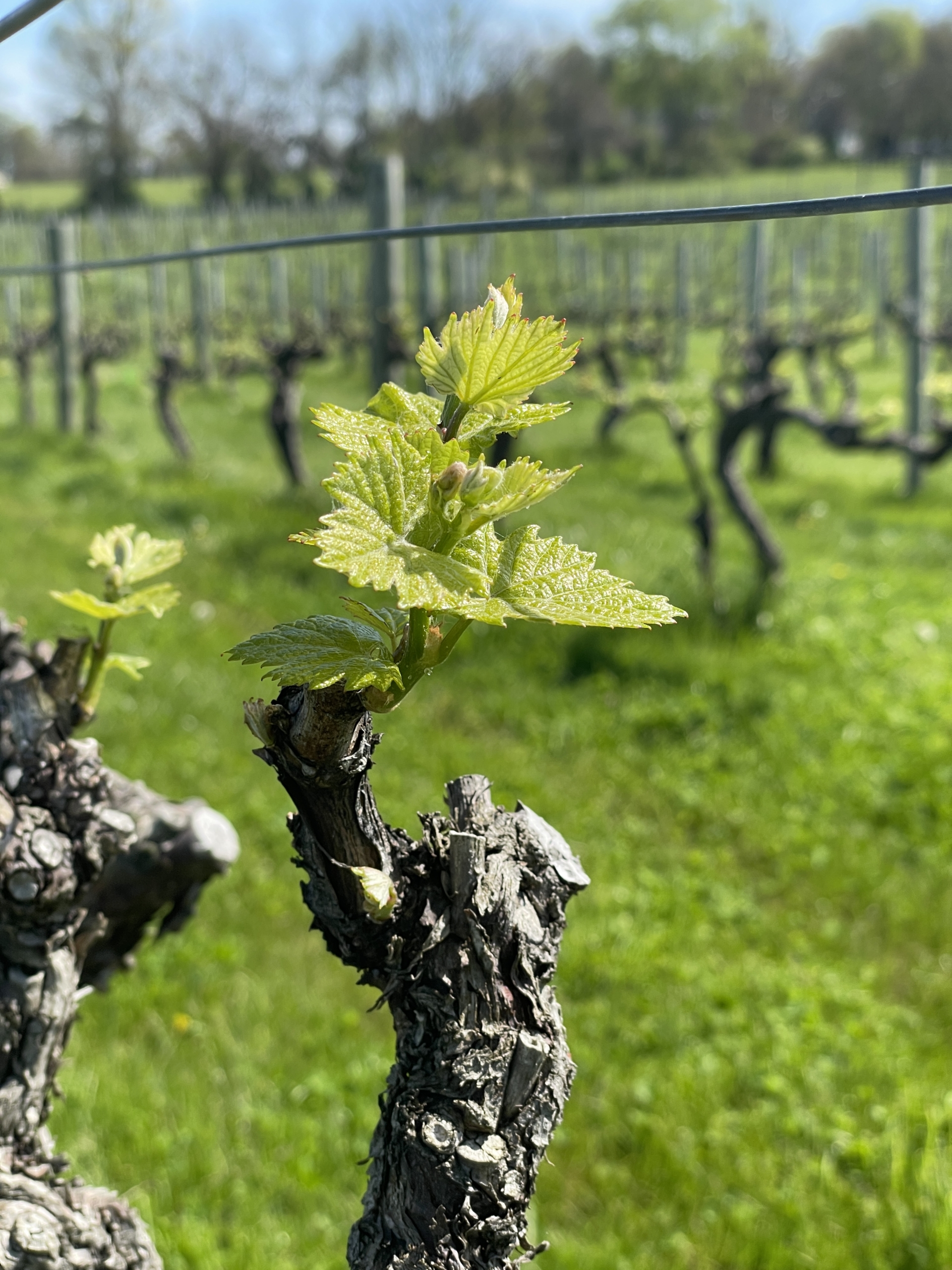
Bud break occurred the 4th week of April in Purcellville with Chardonnay, about a week late, after a very warm weekend following cold weather. Shoot development across all varieties was slow in May most likely due to cool conditions and cloudy weather brought on by the rain events. The extensive wetness in May caused both Dean and myself to spray fungicide aggressively. We’ve both put down five sprays in the five-week period after bud break. I continue to battle Phomopsis at the Purcellville site, especially with Chardonnay. This is a chronic issue I face every year, even with an aggressive spray schedule. Fortunately, I’m keeping ahead of downy mildew which has historically also taken an interest in my site.
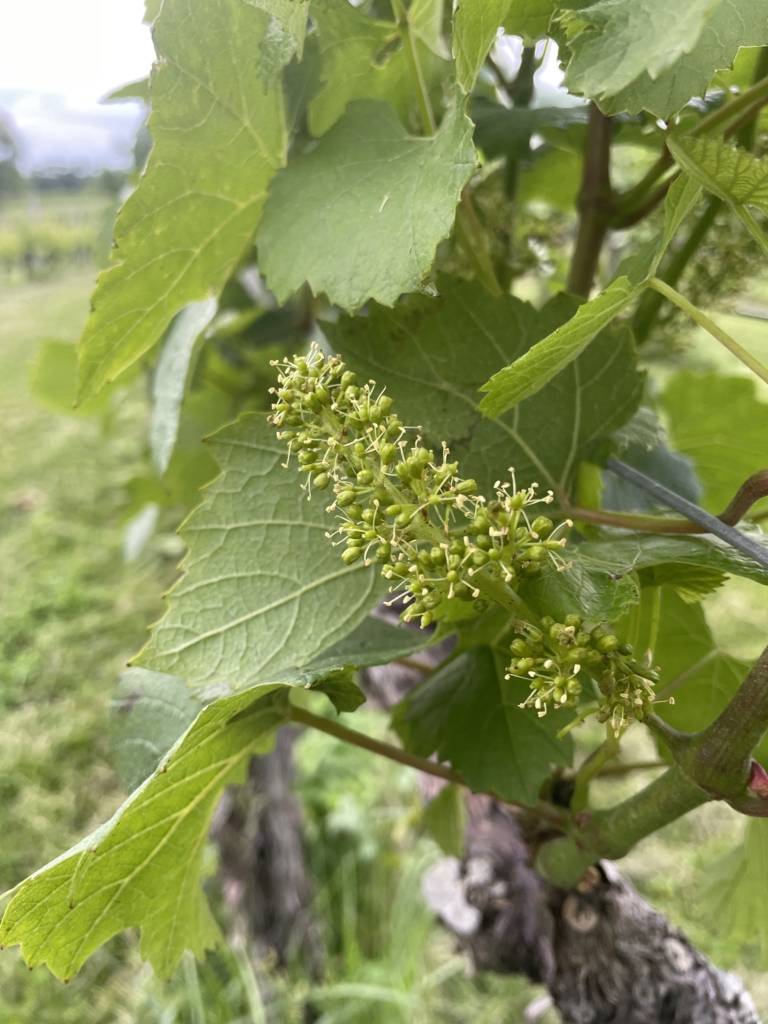
Flowering occurred the third week of May with Chardonnay. Cool and wet weather since then has delayed the process and a week later we’re still not 50% through. The rain and fungicide sprays will likely affect the fruit set.
As of the end of May, we’re busy shoot thinning and raising the catch wires across 55 acres spread over four vineyard sites. We’ll perform a second pass (and perhaps a third) as soon as we finish the first. We don’t currently remove lateral shoots, though I’d like to work this into the workload in the years to come. Other challenges this time of year include weed control. Beginning in 2023 we ceased using herbicide in the vineyard. This was replaced with mechanical weed control via a Clemens tractor attachment and hand-held weed trimmers.
Central Virginia
Benoit Pineau, Pollak Vineyards
Climate
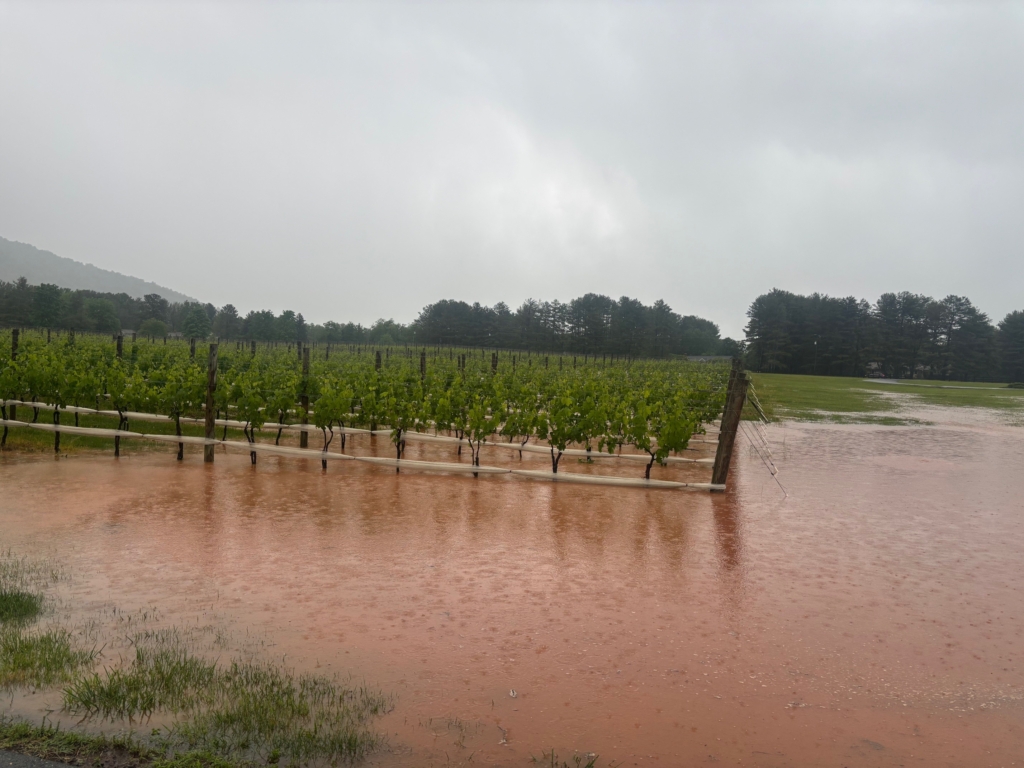
After a cold winter, spring 2025 was dry and cool. April 9th was the main frost event experienced in 2025 for the central Virginia area. We filled up our water reserve starting May 14th with 6.7 inches of rainfall in a few hours. The weeks following this event were rainy and cool.
Physiological stage and related work
The lack of water and cool temperatures induced a normal to late bud break. Up to bloom, the vines grew slowly. We had plenty of time to execute our hand labor tasks (trunks cleaning, shoot thinning and positioning). Surprisingly, the bloom was early. At this point, we have applied only one spray before our bloom spray. The unfortunate timing of bloom with the rain arrival didn’t seem to hurt our fruit set; crop 2025 looks abundant. The early dry conditions showed the importance of rootstock choices; our 3-year-old Cabernet Franc vines showed drought intolerance on 1616C while it tolerated the condition on Riparia Gloire. This was a good reminder to complete our petiole analysis at Bloom.
This Spring, we completed the planting (year 3/3) of our new site at Windcrest with an additional 10 acres. With the recent rainfall, this made for a great planting year.
On April 9th, the night temperature dropped to 27° F, the cold lasted from 2:00 a.m. to 8:00 a.m.
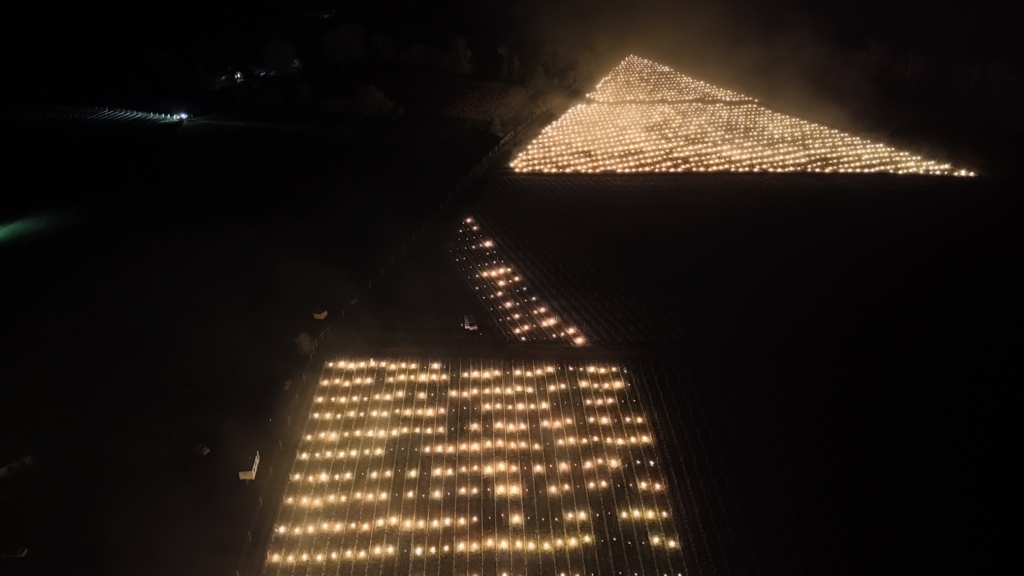
The physiological stage of the vines is an important factor to the vines’ sensitivity to cold. At budswell, the damage is minimal compared to 2 leaves (and more). During this event, the most sensitive vines were our most advanced varieties, mainly the whites and Nebbiolo. It’s a good reminder that delaying the bud break (late winter pruning, rootstock choices) can be a tool in an integrated frost protection program. The varieties are not all equal. At the same physiological stage, Nebbiolo and Chardonnay are far more sensitive than Sauvignon Blanc and even Merlot. This is most likely due to the difference in shoot shapes and the presence of hairs on the leaves. Frost can be fought in many ways. At Pollak, we create heat by using 200 candles per acre. Our whole team (10 people) is on “night call” to place and light candles. We successfully protected 13 acres. The uncovered area suffered from 10 to 20% loss (mostly whites).
Fungal-Viral Pressure
The lack of water kept the fungal pressure very low up to Bloom. Our first and only spray (for Downy & Black Rot) prior to bloom was a Mancozeb that probably could have been traded for a copper-based product. The fungal pressure became very high around the bloom that appeared with the abundance of rain and therefore humidity. Luckily, we had the opportunity to apply our bloom systemic sprays on time and are not experiencing fungi breakout at the moment.
Insect Pressure
The ground was probably too dry for the climbing cutworm to come up and find our vines/buds; we were spared from damage this year. Despite our efforts trying to eradicate the lantern flies, by spraying the adults last year and destroying the egg mass in the winter, the nymphs were present in our vineyards this Spring. We found them on our new shoots, especially near the wood lines and the softest tissued varietals, like Merlot. In continuation to our mealybug management program, we applied our annual Spring Scorpion insecticide for the third and last year and feel successful. This spray was also the one targeting the lantern flies. In general, we are hopeful that the freezing temperatures from the past winter helped regulate the insect population.
Shenandoah Valley
John Kiers, Ox-Eye Vineyards
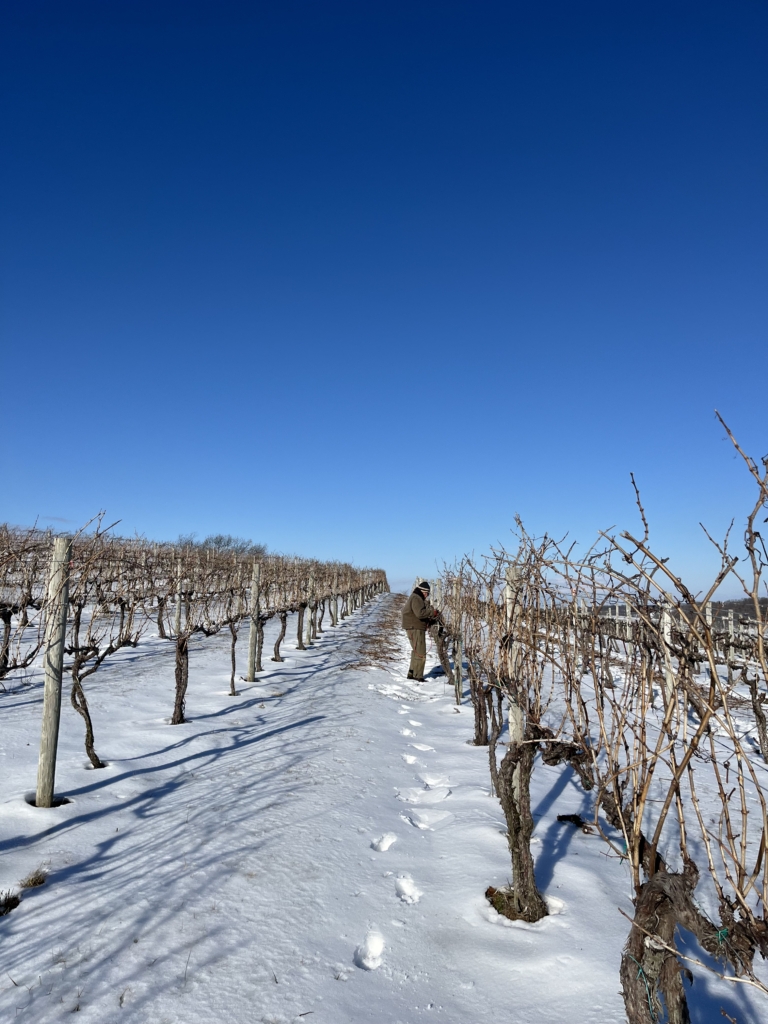
Since I am a new contributor to the Grape Press, I want to let the reader know that our vineyards are located about 8.5 miles southwest of Staunton and at an average elevation of around 1780 feet. I also enlisted the input of Lee Hartman of Bluestone Vineyard to help describe events occurring in a slightly larger geographic area.
This past winter was marked by protracted cold from late November through early Spring. Our low temperature reached 6° F, which was milder than average. Thankfully we had no warming spells to weaken winter hardiness prematurely. Precipitation through April was below normal including the 20 inches of snow that fell. Calm conditions allowed us to proceed well with pruning, finishing by the second week of March. We saw no new evidence of winter injury during the pruning process.
We normally begin under vine tilling after the soil warms up a little and the weeds begin to grow. (We leave a 6-foot alley of grass between each row.) However, due to the dry conditions, we held off tilling until the soil became more friable. Tilling is our preferred method of weed control as opposed to herbicides and preemergent treatments. Our tilling frequency is 3 to 4 passes per year. With this protocol, we have been able to completely wean ourselves of glyphosate now going on 5 years. Admittedly, we still use glufosinate when we fall behind schedule.
Vineyards in the area began budbreak in mid-April which for us was about 1 week early and helped the area avoid some of the frost events that occurred in April. We also had some near misses in May. With the colder-than-normal temperatures in May, shoot growth started out slowly. However, with the much-needed rain events in May (4.7 inches so far in May), shoot growth accelerated.
We began our spray schedule on May 10 with sulfur, Manzate, and oil. We normally augment our sprays with foliar nutrients and systemic fungicides around bloom.
Bloom began in the Chardonnay, Pinot Noir, and Lemberger in the third week of May, slightly earlier than the average of May 25 at our vineyards. May continues to be cool and wet adding to our concerns about the possibility of coulure. We expect to increase foliar nutrient sprays to help mitigate this threat.
Southern Virginia
Kevin Sutherland, Nicewonder Vineyards
Bud break for us occurred slightly later than observed in the previous vintage. This delayed start, while not drastic, has shifted the phenological calendar and necessitates close monitoring of subsequent developmental stages. We did see relatively even bud break across most varieties, indicating healthy vine vigor entering the season.
Unfortunately, a significant weather event impacted our region in mid-April. A freeze event occurred where temperatures dropped to 24° F in the lowest portions of the vineyard. The freeze caused notable damage to several key grape varieties. Preliminary assessments indicate that Chardonnay, Viognier, and Merlot experienced approximately 50% primary bud and shoot loss. The growth stage of these varieties was bud break to 1st leaf separated. This level of damage will undoubtedly influence the yield potential for these specific varieties. We are currently evaluating the extent of secondary bud development and implementing strategies to optimize the remaining fruitful buds. This may include adjustments to shoot thinning and pruning practices on unaffected vines to compensate for potential volume deficits in the impacted varieties.
The period following bud-break has been characterized by persistent rainfall. While adequate soil moisture is generally beneficial for early vine growth, the prolonged wet conditions have presented several management challenges. The increased humidity and leaf wetness have elevated the risk of fungal diseases, necessitating a rigorous spray program.
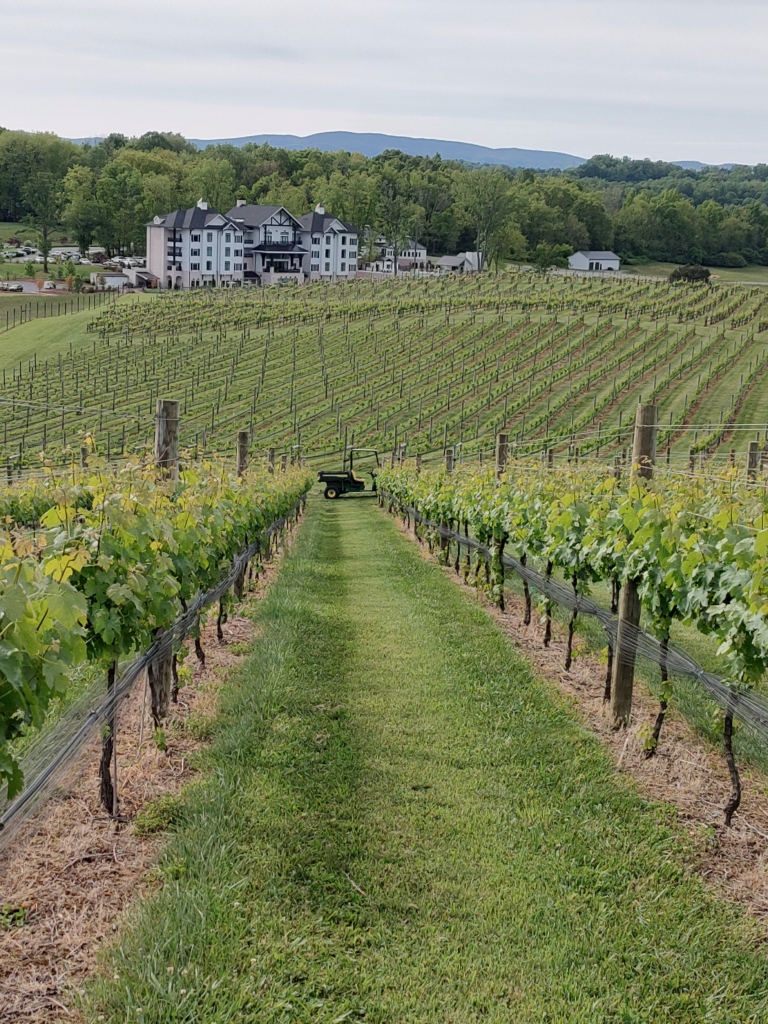
Furthermore, rapid vegetative growth fueled by ample moisture has led to a backlog in essential canopy management practices. Shoot thinning is currently behind schedule for our vineyard. We are prioritizing this task and allocating resources to catch up as weather conditions allow. Efficient shoot thinning is crucial for managing fruit load, improving light penetration into the canopy, and reducing disease pressure. Delays in this practice could potentially lead to increased management challenges later in the season.
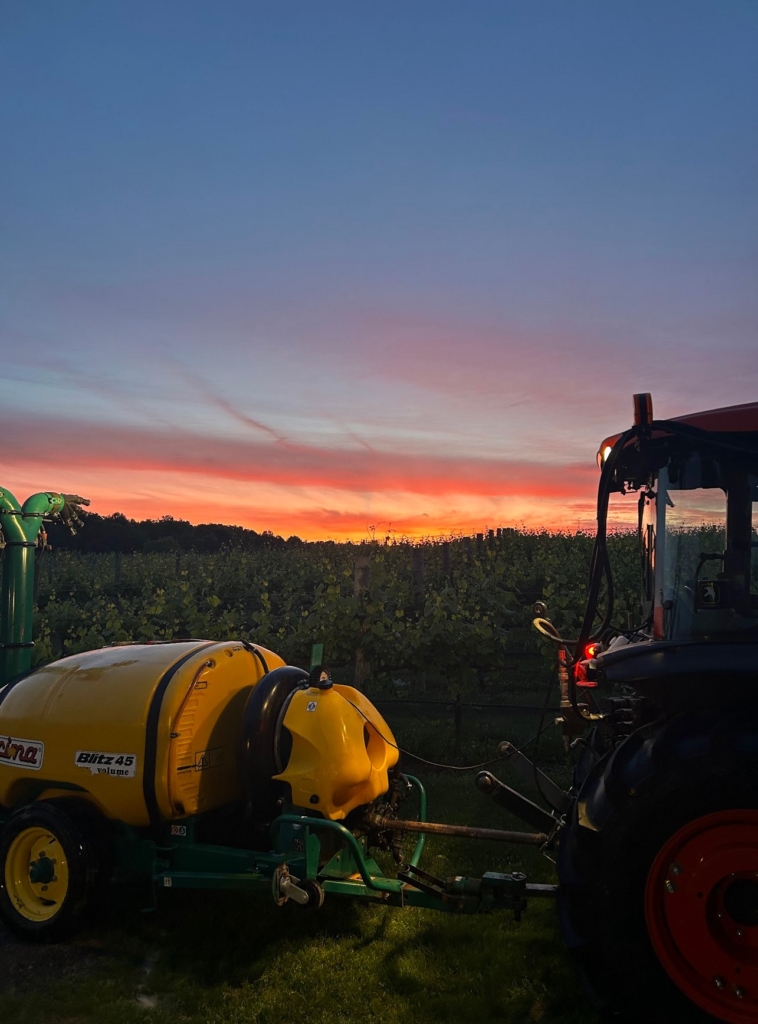
Despite the early-season challenges posed by the late freeze and persistent wet conditions, the team at Nicewonder Vineyards remains optimistic about the potential for a successful growing season.
Eastern Virginia
Gonzalo Ortiz, Rustic Vintage
Here in the beautiful Northern Neck of Virginia, our winter can be characterized as having been uncharacteristically cold and our spring as being wet.
A summary of winter temperatures on site is as follows: December had 18 days with lows under 32° F with the lowest low being 20 °F. January had 26 days with lows under 32° F which included five days with lows at or under 15° F with the lowest low being 7° F. February had 17 days with lows under 32° F with the lowest being 19° F. March had six days with lows under 32° F with the lowest being 19° F. There were no high-temperature dates of note that would have affected dormancy. Having five days with lows under 15° F will be interesting to see the Pierce Disease pressure in the upcoming months.
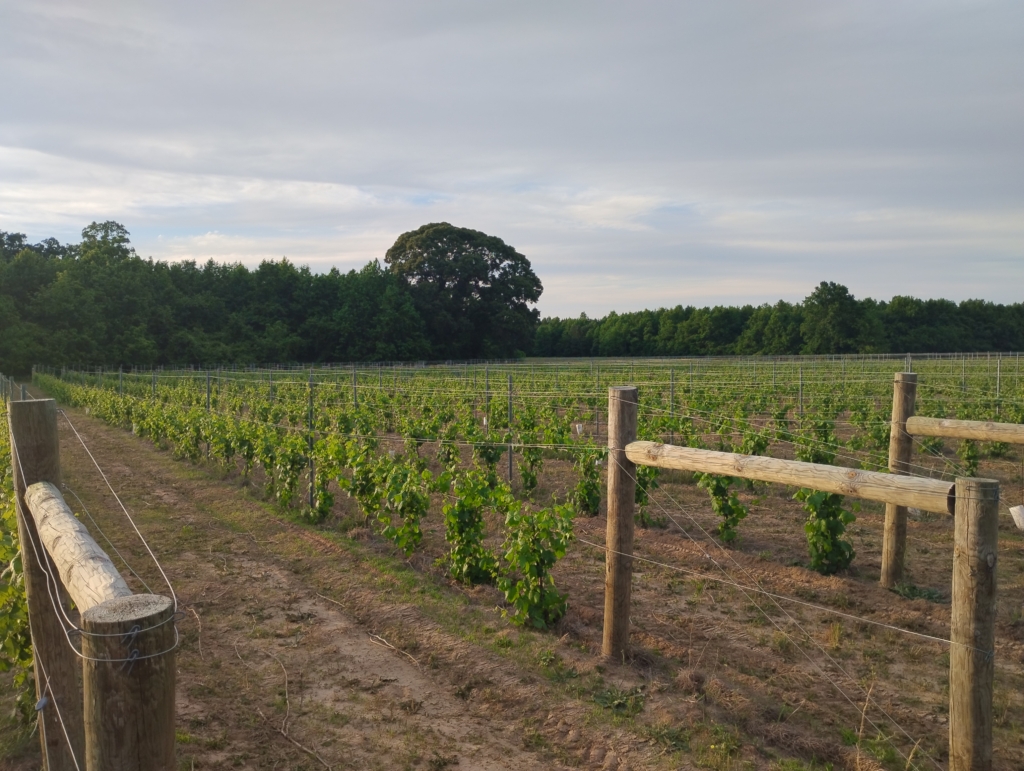
On-site, our Petit Verdot will be our first significantly producing crop. I had an unexpected health issue arise in December that is slowly resolving so I am very grateful for my family’s support in helping execute the way I cane prune on the Petit Verdot and on pruning the rest of the 15.5-acre vineyard. My father’s brother, Uncle George, used his monthlong vacation to prune alongside my father and siblings when he heard I was having issues so that the farm would be pruned on time. He came without asking from very far away as he knew we would say no. Extremely grateful and jealous that he was here helping and I could not prune alongside him and my father.
The pruning material this winter was delicate on the Chardonnay as expected with the lack of timely rain last year. Petit Verdot had more than enough quality shoots to have a good first real year of a filled cordon wire. I am a big believer in single and double guyot because of the sanitation it provides by having less inoculum available by having more one-year-old material than older material out in the field. Also, because of the ease of having a uniform, well-spaced shoot spacing by shoot thinning cane-pruned vines. The third-year vines of Merlot, Cabernet Franc, and Chambourcin were cut back to two buds as last year’s lack of timely rains made for non-uniform growth.
Budburst for Chardonnay was on the first couple of days of April which has been the same for the past three years.
On April 9th we got down to 30° F which was a frost event for the region at large. We lost some primary Chardonnay shoots, but all other varieties were spared. I heard that this event affected many growers of early budding varieties up and down the region and state. We did have one more frost scare on April 17 reaching the mid 30’s (° F) but we were unaffected. Apil and May both brought approximately 6.5 inches of rain each month in a spread-out soil-saturating manner.
Heading into this growing season my concern was what the effect of the sporadic and low amount of rainfall last year would be on the establishing non-irrigated vines. Abundant rainfall can diminish or mask many deficiencies including nutritional and plant health, especially, on these low CEC (around 2.6) and low organic matter (around 1 %) soils. So, I am grateful for the rainfall because of last year as my vineyard is still being established. However it has been a challenge to keep up with the growth and maintain pest protection.
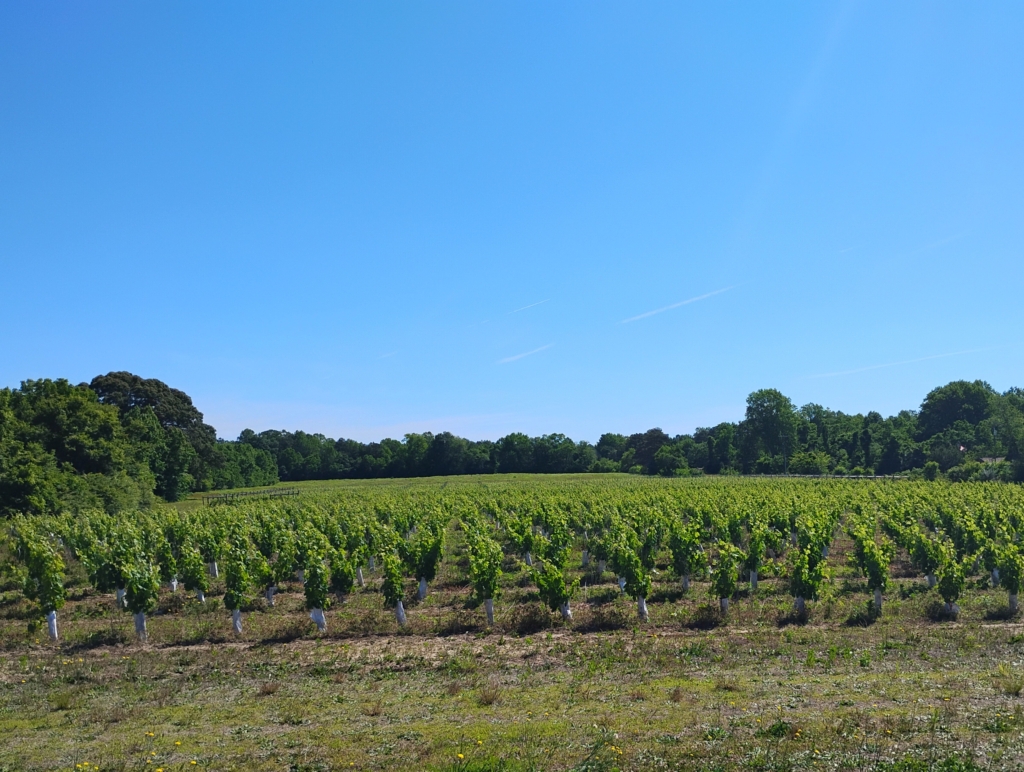
As of the beginning of June the young Cabernet Franc, Merlot, Petit Verdot, and Chambourcin are happy and thriving. The young Chardonnay shows that it was stressed last and had frost this year but is, thankfully, in a position that looks like will give a fruitful relatively full canopy next year.
Current disease pressure is light aside from downy mildew as low elevation sights such as here in the eastern part of Virginia provide many nights with dew on the leaves and again, we have had a good amount of rain so far. It is interesting to note that cutworms and flea beetles were very light at budburst. I would assume that it is a result of the light discing done last fall to integrate lime throughout the vineyard coupled with the cold winter. I have not seen Spotted Lanternfly yet on my farm. Another vineyard owner in the Northern Neck, Hal Bell, Owner of Bacchus Winery, also has not seen signs of Spotted Lanternfly yet.
Chardonnay bloom was the week of May 12th and Petit Verdot bloom was the week of May 19th.
We planted 25 Paseante Noir vines on April 20th and they have had better growth in thirty days than the trial Cabernet Sauvignon vines we planted last year to asses a clone and Merlot replants had all year. I selected Paseante Noir as the Pierce Disease resistant hybrid that I wanted to evaluate on-site based on grower conversations I had in North Carolina dealing with bud burst dates (to avoid frost) and disease susceptibility about the three Andy Walker red varieties. Once more Pierce Disease red varieties become available to the industry I will plant test blocks of the red varieties based on wine quality potential, bud burst date, and disease susceptibility.
Looking forward to the summer VVA meeting at the Winchester AREC at the end of July and hope everyone has a successful grape-growing year and that everyone finds homes for their fruit.
Photos are credited to contributors unless otherwise noted. If you would like to contribute to future Vintage reports please contact us!